

Intense emotions and anxiety often go hand-in-hand with an autism diagnosis. Navigating these big feelings can feel overwhelming for individuals on the spectrum, their families, and the clinicians who support them. Understanding the root causes of this emotional dysregulation is the first step toward finding effective support.
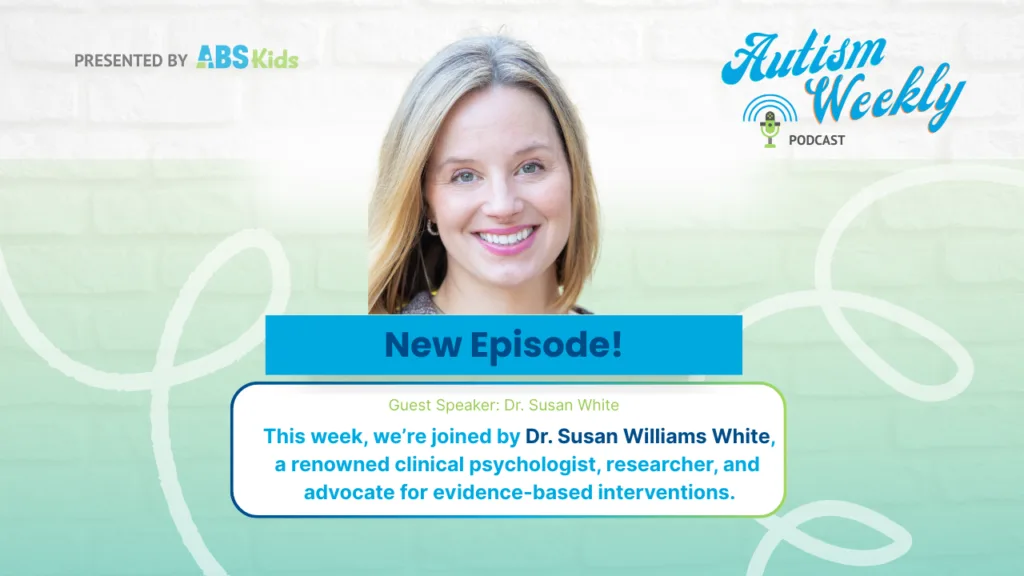
In our latest podcast episode, we sat down with Dr. Susan W. White, a leading expert in the field of autism research and clinical psychology. Dr. White shared profound insights into the intersection of autism and anxiety. She also provided practical, actionable strategies to help youth manage intense emotions and thrive in their daily lives.
Whether you are a parent seeking guidance, a clinician looking to refine your approach, or an autistic individual wanting to understand your own emotional landscape, this blog is for you. Here are the key takeaways from our conversation.
Understanding Dr. White’s Clinical Expertise
Dr. Susan Williams White dedicates her career to understanding and supporting individuals with autism. She focuses heavily on helping youth manage intense emotions and severe anxiety. Her research highlights psychiatric comorbidity, which simply means having more than one condition at the same time.
Her approach is deeply rooted in acceptance and self-compassion. Instead of trying to “fix” or change who a person is, Dr. White focuses on providing tools that make navigating a complex world a little bit easier.
Anxiety as a “Gateway Condition”
For clinicians working with individuals with autism, Dr. White introduces a crucial concept: treating anxiety as a “gateway condition.” Unmanaged anxiety can lead to a host of other developmental, social, and emotional challenges. When individuals feel chronically anxious, it creates significant barriers to accessing their environment, learning new skills, and forming relationships.
Dr. White encourages clinicians to look beyond the surface behaviors. Instead of just treating the symptoms, she advises looking at the biological, physiological, social, and emotional factors contributing to a person’s dysregulation.
During the podcast, she shared a compelling example of a college student with a repetitive behavior. Others misinterpreted this behavior as potentially dangerous. However, by taking a hypothesis-driven approach, clinicians realized the behavior was actually a coping mechanism for severe anxiety. By addressing the root cause, they could safely de-escalate the situation and support the student effectively.
Actionable Strategies for Managing Intense Emotions
One of the most valuable parts of our conversation with Dr. White was her breakdown of practical strategies. These are tools that individuals can practice daily to help process anxiety-producing environments.
Mindfulness and Emotional Awareness
You cannot manage an emotion if you do not know you are feeling it. Dr. White notes an exciting emerging trend in autism research: the use of mindfulness-based approaches. These strategies focus on building awareness of emotional states before they escalate into full-blown distress.
Practicing mindfulness does not have to mean sitting silently for an hour. It can be as simple as noticing your heart rate increasing or recognizing tension in your shoulders. For individuals with autism, recognizing these physical signs early can prompt the use of relaxation or deep breathing techniques when navigating difficult social settings.
The Power of Self-Talk
Self-talk is another powerful tool discussed in the episode. Dr. White explains how individuals can use guided internal dialogue to understand and manage immediate challenges.
When a situation feels overwhelming, practicing positive or logical self-talk can help ground the person. Reminding oneself, “I am safe right now,” or “I can take a break if I need to,” promotes self-compassion. This internal coaching helps reduce the panic associated with heightened arousal and gives the individual a sense of control over their emotional response.
Creating a Decompression “Bubble” at Home
The outside world is often loud, unpredictable, and demanding. For many autistic individuals, simply existing in these environments requires immense energy. Dr. White highly recommends creating a “bubble” at home.
This bubble is a safe, designated space where the individual can completely decompress. It is a judgment-free zone where they can drop any societal expectations and just be their authentic selves. Having this reliable retreat is essential for emotional regulation and preventing chronic burnout.
Empowering Families and Caregivers
Raising a child with autism brings unique joys and unique challenges. Dr. White offered specific, compassionate advice tailored to parents and family members navigating this journey.
Why Parent Self-Care Matters
Parents frequently put their children’s needs ahead of their own, often to the point of exhaustion. Dr. White firmly states that parents must prioritize taking care of themselves. You cannot pour from an empty cup.
When parents manage their own stress and prioritize their physical and mental health, they are better equipped to support their children. Seeking community-based interventions and support groups can remind parents that they are not alone on this path.
Reframing Failure as a Learning Tool
It is a natural instinct to want to protect your child from failing. However, Dr. White advises parents to allow their children to experience safe failures.
Failure is an incredible learning opportunity. When a child experiences a setback in a supportive environment, they learn resilience. They learn how to bounce back, problem-solve, and manage disappointment—vital skills for adulthood. Guiding them through the failure, rather than preventing it entirely, builds lasting confidence
Breaking Down Misconceptions and Stereotypes
The autism community frequently discusses the concept of “masking“—the exhausting process of hiding autistic traits to fit into neurotypical environments. Dr. White addressed concerns that traditional social skills interventions might cause harm by encouraging masking.
She highly advocates for interventions that never seek to cover up a person’s authentic self. Instead, the goal should be to teach self-advocacy and emotional regulation. Interventions should help individuals figure out how to navigate social settings comfortably, without compromising their core identity or feeling forced to perform.
Helpful Resources and Next Steps
Dr. White mentioned several excellent resources during the podcast for those looking to dive deeper into these topics:
- ABCT (Association for Behavioral and Cognitive Therapies): A great organization for finding evidence-based resources and professionals trained in cognitive behavioral therapies.
- The Hearts Program: Run by Emily Rothman at Boston University, this program is an excellent resource for healthy relationship education.
- CYDI: You can follow Dr. White’s ongoing work and research by visiting her website at About – Center for Youth Development and Intervention
Living with autism and anxiety presents real hurdles, but with the right tools, those hurdles become manageable. By focusing on emotional awareness, building supportive environments, and prioritizing authenticity, families and individuals can find a healthy path forward.
We highly encourage you to listen to the full podcast episode with Dr. Susan White to hear her insights in her own words. Empower yourself with knowledge, practice self-compassion, and remember that support is always available.

