

For parents of children with autism, the transition from ABA therapy to a classroom setting is a pivotal milestone. This step signifies growth, development, and readiness for the structured and dynamic environment of school.
Applied Behavior Analysis (ABA) therapy plays a crucial role in preparing children for the change to elementary school by focusing on classroom skills that foster communication, independence, and adaptability.
In this blog, we explore how ABA therapy bridges the gap between therapy settings and classroom routines. From structured activities to practical tips for parents and teachers, discover how you can help children succeed in their school environment while promoting inclusivity and understanding.
The Role of ABA Therapy in Developing Classroom Skills
ABA therapy is a science-driven approach that focuses on skill-building and behavioral growth. It’s especially effective in preparing children with autism for the challenges and routines of a classroom. Here’s how it contributes to building classroom readiness:
- Structured Routines
- Classrooms thrive on structure, with schedules that include lessons, breaks, and transitions between activities. ABA replicates these routines during therapy sessions. For instance, therapists may use visual schedules or first-then boards to help children understand what comes next, teaching them to follow a predictable routine.
- Consistency within ABA therapy ensures children are not overwhelmed by the demands of a classroom. By rehearsing such routines beforehand, children build confidence and ease into the daily structure of a school day.
- Classroom Etiquette
- Classroom etiquette, such as raising hands, waiting for a turn, or listening to instructions, does not always come easily to children with autism. ABA therapy targets these behaviors using principles like positive reinforcement to encourage good practices. Children learn how to respectfully follow teacher directions, participate in group learning, and share with peers.
- Social-Interpersonal Skills
- Navigating social interactions is perhaps one of the most significant challenges children with autism face in a classroom. ABA hones essential skills like making eye contact, engaging in conversations with peers, and understanding social rules, such as sharing or working in groups. These skills are vital for fostering positive relationships in a school environment.
- Self-Management and Emotional Regulation
- Students in classrooms often face tasks that require focus and patience, which can be challenging for some children with autism. ABA therapy not only equips children with self-management strategies, such as using a calm-down corner or practicing breathing exercises during moments of frustration, but also helps them discover which techniques work best for their individual needs. Through guided support and practice, children explore different approaches to emotional regulation, enabling them to find what truly helps them manage transitions and stay engaged during lessons.
Tips for Parents: Supporting Social Dynamics with Inclusivity
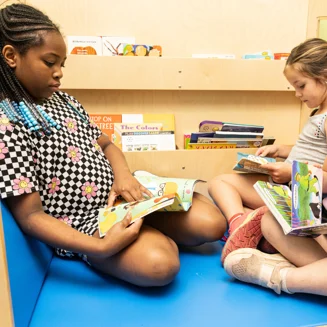
Parents play a crucial role in fostering their child’s ability to relate to peers and build meaningful relationships. Here’s how you can introduce concepts of inclusivity and social understanding to your child:
- Teach Empathy Through Simple Scenarios
- Help your child understand other’s feelings or perspectives by creating easy-to-follow scenarios. Use role-playing games to explain emotions, such as how a friend might feel if excluded from a game or how sharing can make everyone happier.
- Focus on Play-Based Learning
- Children often learn best through play, as it naturally encourages exploration and growth. Create opportunities for your child to practice interactive scenarios by engaging in structured games that involve collaboration, such as playing alongside a sibling or a friend. Events like our free Toddler Time provide a wonderful way to introduce children to these experiences, helping them build social skills and confidence while having fun.
- Encourage Open Communication
- Give your child the language they need to describe their own emotions and understand others. Use phrases like “Can you tell me how you feel when this happens?” to spark valuable conversations.
- Introduce Diversity at Home
- Books, videos, and toys that celebrate differences can be excellent tools for teaching inclusivity. Explain how everyone has unique strengths and challenges, encouraging your child to see these differences as something to celebrate.
- Model Positive Behaviors
- Children often emulate what they see. Narrate your actions whenever you model helpful, inclusive behaviors, such as considering others’ perspectives, expressing gratitude, or resolving conflicts calmly.
For Teachers: Strategies to Support Students Who Have Undergone ABA Therapy
Teachers are at the helm of creating inclusive, supportive classroom environments where every student can thrive. Here are strategies that can help teachers understand and foster success for children who have transitioned from ABA therapy to the classroom:
- Communicate with Parents and Therapists
- Build strong communication channels with both parents and ABA therapists to understand a child’s behavioral patterns, triggers, and preferred strategies. Collaborative efforts ensure consistency between home, therapy, and school settings.
- Use Visual Supports
- Visual aids like charts, schedules, and timers can be instrumental in helping children understand what’s expected in a classroom setting. Many children who undergo ABA therapy are familiar with these tools, which can ease their adaptation to school routines.
- Create Predictable Routines
- Children with autism often thrive in environments where routines are consistent and predictable. Ensure your classroom schedule remains steady, with clear transitions between activities. When things don’t go as planned, work with the child to explain what is happening and practice their preferred calm-down technique if needed.
- Foster Social Inclusion
- Provide opportunities for all students to interact through group projects, games, or buddy systems. Encourage other students to be kind, patient, and understanding, emphasizing that everyone learns and communicates differently.
- Offer Positive Reinforcement
- Just as in ABA therapy, use positive reinforcement to encourage desired behaviors in the classroom. Celebrate achievements, however small, to boost confidence and motivation.
Bridging the Gap from Therapy to Classroom
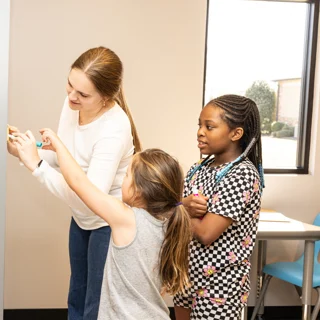
By building essential ABA therapy classroom skills, children with autism gain the tools they need to succeed in a school environment. Parents and teachers, in collaboration with trained therapists, can help ensure this transition is smooth and empowering.
Key Takeaways:
- ABA therapy fosters critical classroom skills such as following routines, etiquette, and managing social interactions.
- Parents contribute to their child’s social readiness by encouraging inclusivity, modeling positive behavior, and promoting empathy.
- Teachers play an essential role in providing a consistent and understanding classroom environment.
Together, these efforts create a strong foundation for children with autism, helping them feel confident and included in the classroom.

